fast fashion, women’s health, endocrine disruptors, PFAS, sustainable fashion, hormone health, toxic clothing
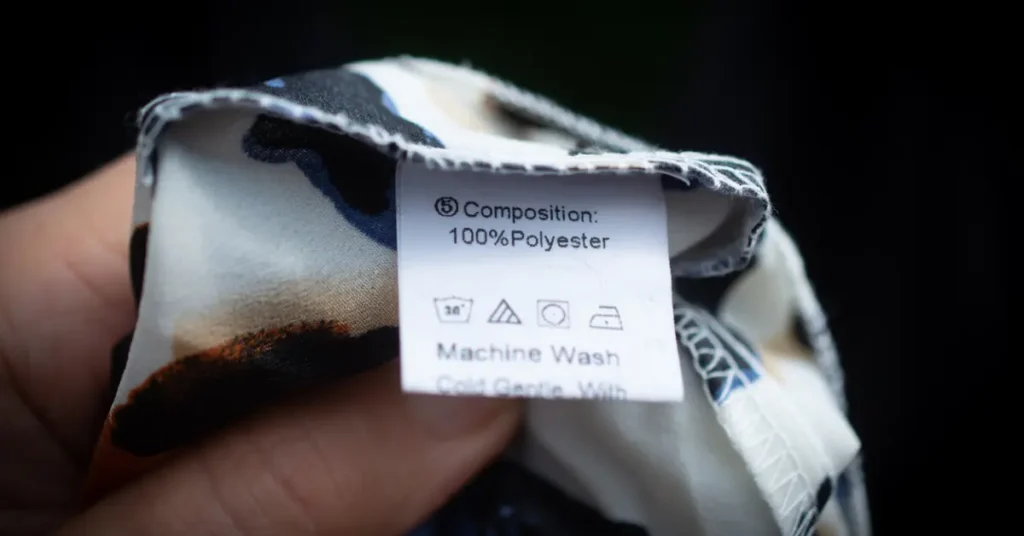
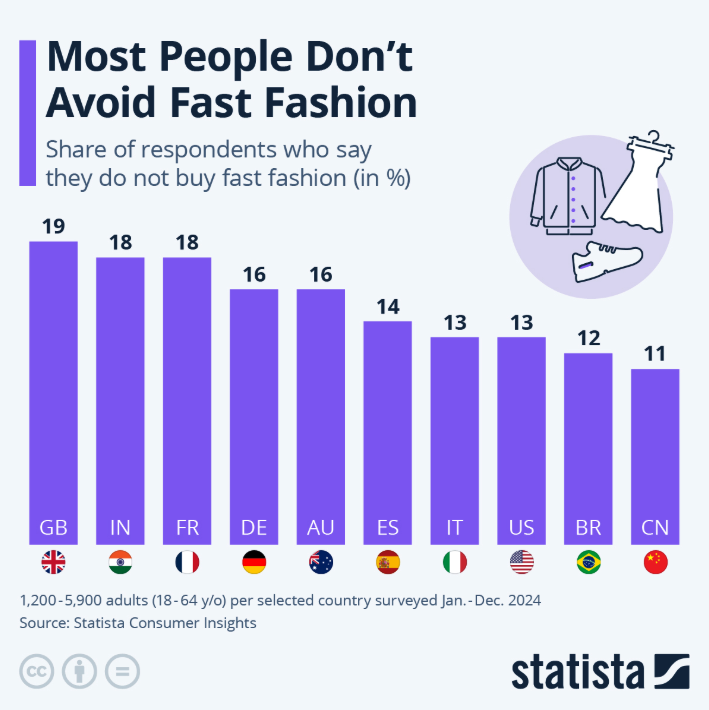
Every morning, millions of women get dressed without a second thought. But what if the clothes touching their skin were quietly working against them? Fast fashion has made trendy clothing cheaper and more accessible than ever before. Many fast fashion brands and fast fashion retailers rely on large-scale clothing production to keep up with constant consumer demand. However, the true cost extends far beyond the environment or the underpaid workers who make these garments.
The environmental impact of fast fashion is well documented, but a growing concern is what these clothes may be doing to the people who wear them. The effects are showing up in women’s hormones, fertility, and long-term health. Who is at fault? A group of chemicals known as endocrine-disrupting chemicals (EDCs), which are hiding in plain sight, sewn directly into the fabrics many women wear every day.
What Even Is the Endocrine System?
Before diving into the chemicals, it’s worth understanding what’s at stake.
Your endocrine system is your body’s hormonal control center. It’s a system of glands and organs. Your thyroid, ovaries, adrenal glands, reproductive organs, and more that release hormones directly into your bloodstream. These hormones act like messengers, controlling things like:
- Your metabolism and energy levels
- Your menstrual cycle and reproductive health
- Your immune system response
- Your mood and mental health
- Your weight maintenance
- Your sleep regulation cycle
When the endocrine system works properly, everything runs in balance. When something disrupts it even in tiny amounts can affect your entire body.According to the National Institute of Environmental Health Sciences (NIEHS), endocrine-disrupting chemicals are substances ( either natural or human-made) that can mimic, block, or interfere with the body’s natural hormones. The scary part is you don’t need high doses for damage to occur. Research now suggests there may be no safe level of exposure to some of these chemicals.
“We know that even very low doses of endocrine disrupting chemicals can cause health problems and there may be no safe dose for exposure to EDCs.” – Dr. Sara Brosché, Ph.D., Science Advisor, International Pollutants Elimination Network (IPEN)
HOW BURGUNCO’s CINCHED WAIST DESIGN WORKS
Fast Fashion and the Chemical Problem
Fast fashion has one primary goal: get trendy clothes made as cheaply and quickly as possible. Brands like SHEIN, Zara, H&M, and dozens of other stores, make thousands of new styles every week using low-cost synthetic materials and chemical treatments; fabric blends, to make clothes look better, last longer, and feel softer. This might be great for profit for the company but not so much about the safety of their product.
To achieve the finishes and textures consumers expect, waterproof leggings, wrinkle-free blouses, bright dye colors, stretchy activewear, manufacturers rely heavily on chemical treatments. Many of these treatments involve EDCs that have been linked to serious hormonal damage.
The three biggest offenders found in fast fashion clothing are:
- PFAS – The Forever Chemical
Per- and polyfluoroalkyl substances are used to make clothing waterproof, sweat-proof, and stain-resistant. You’ll find them in workout leggings, rain jackets, outdoor gear and even some school uniforms and children’s clothing.
Why are they called “forever chemicals”? Because the human body is unable to break them down. Once they enter your system, they stay there, sometimes for years. Research has linked PFAS exposure to:
- Decreased fertility and difficulty getting pregnant
- Thyroid hormone disruption affecting metabolism, energy, and weight
- Increased cholesterol levels
- Immune system suppression (including reduced response to vaccines)
- Higher risk of kidney, cancer
- Shorter breastfeeding duration in new mothers
2. Phthalates — The Hidden Plasticizers
Phthalates are chemicals used to make plastics soft and flexible. In clothing, you’ll find them in:
- Activewear and anti-odor fabrics
- Printing inks on graphic tees
- Synthetic leather (like pleather skirts and faux-leather accessories)
- PVC coatings on accessories and footwear
These chemicals can leach from fabric directly into the skin especially during exercise, when body heat and sweat open pores and accelerate absorption.
Phthalates have been linked to:
- Hormonal imbalances affecting estrogen and testosterone
- Fertility issues and irregular periods
- Polycystic Ovarian Syndrome (PCOS) risk
- Early puberty in girls
- ADHD, asthma, and diabetes
- Breast cancer
One of the most alarming facts is that Phthalate exposure during pregnancy has been shown to affect male babies’ development so significantly that researchers gave it a name: “phthalate syndrome.” And the effects don’t always stop with one generation. Evidence suggests that damage caused by these chemicals can be passed from parents to children, increasing future generations’ risk of reproductive disorders.
3. BPA — Not Just in Plastic Bottles
Most people know BPA (bisphenol A) from plastic food containers and water bottles, but it also shows up in clothing, particularly polyester and nylon blends. It’s used to help lock dye into fabric and keep clothes from losing their shape after washing.
Toxic levels of BPA have been detected in blouses, office wear, winter coats and swimwear. This could be exposing women to BPA all day long.
Health effects linked to BPA include:
- Disrupted fetal development during pregnancy
- Delayed onset of puberty in women
- Reduced fertility in both men and women
- Increased risk of breast and ovarian cancer
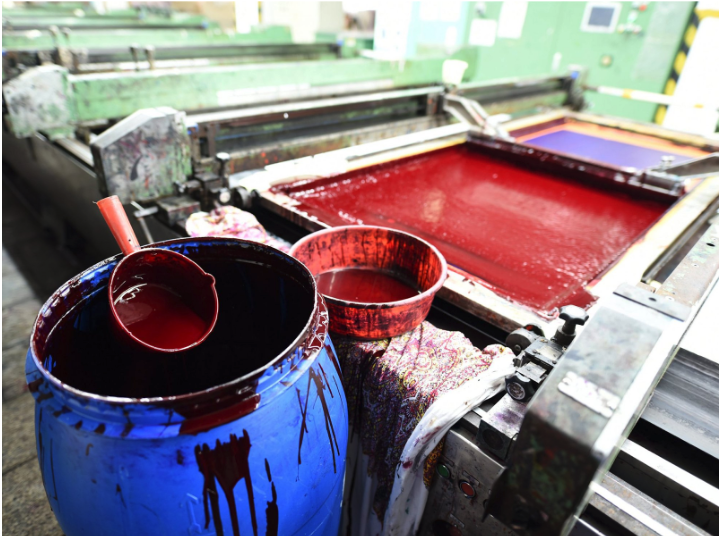
How Do These Chemicals Actually Get Into Your Body?
How do chemicals in clothes actually affect you? There are a few ways:
1. Skin absorption.
Your skin is your largest organ, and it’s surprisingly permeable. Chemicals in fabric, especially during physical activity or in warm environments can pass through the skin barrier directly into the bloodstream.
2. Inhalation.
Synthetic dyes used in polyester can release particles into household dust. You then breathe that dust in or accidentally ingest it. Research from Duke University found that dye particles from polyester textiles settle into the dust inside our homes.
3. Long-term contact.
Items like underwear, sports bras, or period products stay in close contact with sensitive areas for hours. The longer and closer the contact, the greater the potential exposure.
The Real-World Evidence: It’s Already Happening
This isn’t just a myth, research and evidence is showing up.
- South Korean safety tests in 2024 found that SHEIN children’s products contained phthalates at 428 times the permitted legal limit, the highest concentration ever recorded in those tests.
- The Canadian Broadcasting Corporation had 38 pieces of children’s clothing from Zaful, AliExpress, and SHEIN tested, and 1 in 5 had elevated levels of lead, PFAS, or phthalates.
- The CDC and health agencies in France have found that nearly all people now have detectable levels of PFAS in their blood, largely from food, water, and consumer products like clothing.
- Textiles account for approximately 35% of total global PFAS demand, according to the European Environment Agency.
Doctors are also beginning to connect the dots. Physician Aviva Romm, notes that she has observed an unusually high number of patients that have skin issues to autoimmune diseases (Hashimoto’s disease) and has seen improvements in patients who reduce their exposure to endocrine disruptors, including by switching out synthetic underwear for 100% cotton. “And several of the women I talked to, I would catch up with them. And they had developed several autoimmune diseases: lupus, ankylosing spondylitis.”
What About “Wrinkle-Free” and “Moisture-Wicking” Labels?
Here’s something to pay attention to the next time you’re shopping:
The way clothing is marketed often tells you exactly what chemicals might be inside. Watch out for:
- “Waterproof” or “water-resistant” → likely contains PFAS
- “Wrinkle-free” or “non-iron” → often treated with formaldehyde, a known carcinogen
- “Moisture-wicking” or “anti-static” → may contain BPA
- “Anti-odor” or “sweat-proof” → often treated with phthalates or antimicrobial chemicals
- “Stain-resistant” → almost always involves PFAS treatment
What About “Wrinkle-Free” and “Moisture-Wicking” Labels?
Most shoppers never think twice about the words printed on a clothing tag, but those marketing labels are actually one of the easiest ways to spot which chemicals are hiding in your clothes. Brands use specific treatments to achieve the finishes they advertise, and each one leaves a chemical trail. PFAS are behind anything labeled “waterproof,” “water-resistant,” or “stain-resistant”, they’re what create that invisible barrier that repels liquid. Another example, a “wrinkle-free” or “non-iron” blouse uses formaldehyde, a known carcinogen used to keep fabric smooth. “Moisture-wicking” “anti-odor” and “sweat-proof” finishes often rely on BPA to help synthetic fibers manage sweat that typically are the results of phthalates or aggressive antimicrobial treatments. The pattern is the same across all of them. A desirable feature on the outside, a chemical process on the inside. Next time you’re shopping, treat the tag less like a selling point and more like an ingredient list. Because in many ways, it might actually be a warning sign.
What Can I Do About It?
You don’t have to overhaul your entire wardrobe overnight. Small, strategic swaps can make a real difference especially for the items closest to your skin.
Prioritize these changes first:
- Switch to organic cotton underwear — it’s the garment in most intimate contact with your body all day
- Look for GOTS-certified clothing (Global Organic Textile Standard) — this is one of the strictest textile certifications in the world, meaning the fabric was grown, processed, and finished without PFAS, phthalates, or other harmful EDCs.
- Avoid “waterproof,” “wrinkle-free,” and “stain-resistant” labels when possible
- Wash new clothes before wearing them — this can help reduce some surface chemical residue
- Choose natural fibers like organic cotton, linen, wool, silk, hemp, and cashmere that are lower-risk alternatives to synthetics
- Air out your home regularly to reduce chemical-laden household dust from synthetic fabrics
- Research brands before buying — brands like BURGUNCO are leading the way by making 100% cotton clothing for women, with no synthetic blends or chemical treatments.
You don’t have to shop perfectly. But being aware is the first step toward making safer choices.
If these chemicals are so harmful, why are they still legal?
The fashion industry has never been held to the same safety standards as food or medicine. In the United States, there is no federal law that requires clothing manufacturers to disclose the chemicals used in their fabrics. Unlike a food label that lists every ingredient, a clothing tag only has to tell you the fiber content and care instructions. What it doesn’t have to tell you is what chemicals were used to treat, dye, or finish that fabric and brands have taken full advantage of that gap.A big reason that gap still exists comes down to one thing: profit. The chemicals that make clothing cheap, wrinkle-free, waterproof, and long-lasting are also what keep production costs as low as possible. Replacing those chemicals with safer, cleaner alternatives costs more, and for an industry built on selling $8 tops and $15 dresses, that’s something most brands simply aren’t willing to make. Women’s health has never been a line item in a fast fashion budget. As long as there are no laws forcing brands to change, and consumers keep buying, there is little financial reason for them to do anything differently.

Fast fashion promised us affordable, accessible style. But didn’t advertise the endocrine-disrupting chemicals sewn into them. Women’s bodies are being exposed to PFAS, phthalates, and BPA through the clothes they wear every single day. Chemicals linked to hormonal imbalances, fertility challenges, thyroid disorders, and even cancer. It’s all about awareness. The more women understand what’s in their clothing, the more power they have to demand better quality from the brands they buy and your wardrobe doesn’t have to be a health risk. When shoppers understand the environmental impact of fast fashion, they can make better choices and push fast fashion brands and fast fashion retailers toward safer materials and cleaner practices.